
Blog
Is Cocaine Legal in Australia? Statutory Architecture, Pharmacological Dynamics, and Legal Penalties

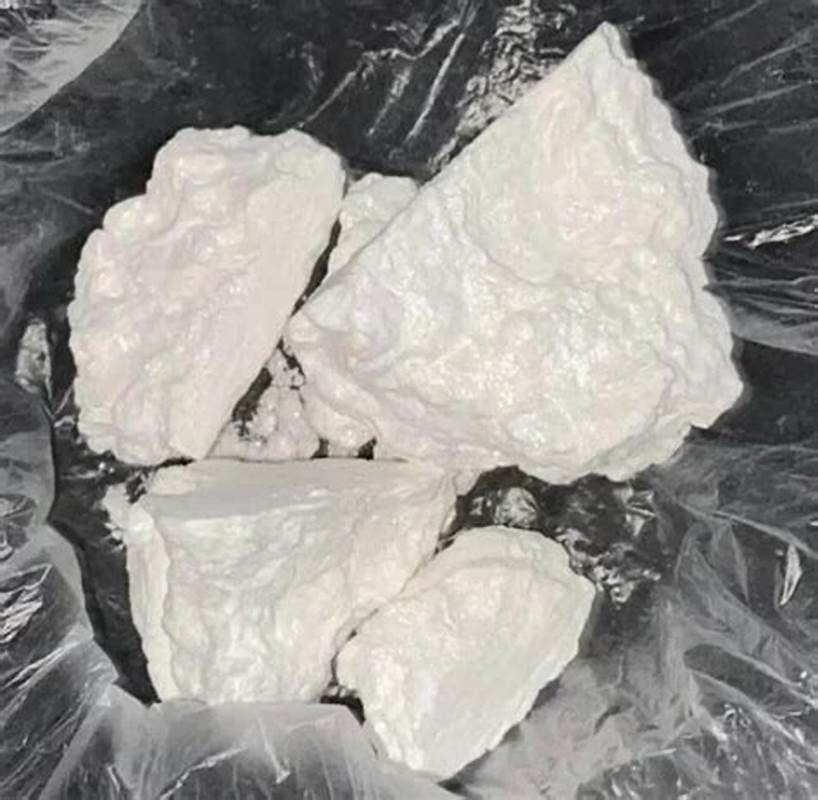
Cocaine is an intense central nervous system stimulant and monoamine reuptake inhibitor derived from the leaves of the South American Erythroxylum coca plant. Within Australia, the statutory framework strictly demarcates highly restricted, institutional clinical applications from severe criminal prohibitions governing unauthorized recreational access.
Understanding the legal status, pharmacological mechanisms, and health risks associated with cocaine in Australia is essential for statutory compliance, clinical awareness, and harm reduction.
Recognized Clinical Utility & Pharmacological Mechanisms
Within regulated Australian healthcare environments, pharmaceutical-grade cocaine hydrochloride solution operates under rigorous statutory oversight:
- Topical Local Anesthesia: Cocaine reversibly inactivates voltage-gated sodium channels along nerve axon membranes, arresting nociceptive impulse transmission to produce profound localized numbness across mucous membranes.
- Intrinsic Vasoconstriction: Distinct from synthetic local anesthetics like lignocaine, cocaine inhibits the synaptic reuptake of norepinephrine. This action causes localized arteriolar vasoconstriction, controlling operative hemorrhaging while numbing surgical sites.
- Specialized Otorhinolaryngological Surgery: Therapeutic Goods Administration (TGA) regulations restrict its clinical utility to diagnostic procedures and specialized surgeries of the nasal, oral, and laryngeal cavities.
Severe Physiological Harms & Systemic Risks
Outside of tightly controlled, authorized clinical settings, cocaine manifests acute systemic toxicity:
1. Cardiovascular & Neurological Pathology
- Acute Vascular Strain: Profound peripheral vasoconstriction induces systemic arterial hypertension and tachycardia, significantly escalating the risk of myocardial infarction, cerebrovascular accident (stroke), and fatal cardiac arrhythmias.
- Neurochemical Depletion: Continuous blockade of dopamine transporter (DAT) proteins causes rapid synaptic depletion, precipitating severe post-use dysphoria, profound craving, and substance-induced psychosis.
- Ischemic Tissue Necrosis: Chronic intranasal administration induces microvascular ischemia, causing nasal septum perforation and permanent anosmia.
2. Illicit Adulteration Hazards
Unregulated street cocaine across Australian jurisdictions is routinely contaminated with toxic synthetic bulking agents (e.g., levamisole) or potent synthetic opioids (e.g., fentanyl), exponentially increasing accidental fatal overdose rates.
Statutory Legal Framework in Australia
Australia regulates cocaine under dual scheduling categories established in the TGA Poisons Standard:
- Schedule 8 (Controlled Medicine): Pharmaceutical-grade cocaine solution is listed as a Schedule 8 Controlled Drug. Possession is legal strictly within authorized hospital procurement networks and accredited surgical suites subject to rigorous inventory audits.
- Schedule 9 (Prohibited Substance): Outside of authorized clinical environments, unauthorized possession, chemical synthesis, distribution, or importation constitutes a serious statutory offense under Commonwealth and state territorial legislation.
Statutory Penalties for Unlawful Custody & Supply
- Unlawful Possession (Personal Use): Simple custody of cocaine for personal consumption constitutes a criminal offense under state laws and Section 308.1 of the Commonwealth Criminal Code Act 1995, subjecting offenders to pecuniary fines and up to 2 years custodial imprisonment. (Note: Minor personal possession under 1.5g in the Australian Capital Territory is subject to civil diversion/decriminalization frameworks).
- Trafficking & Supply: Possessing statutory threshold quantities triggers a legal presumption of intent to supply. Penalties range from 15 to 25 years imprisonment, escalating to life imprisonment for commercial volume thresholds.
- Transnational Importation: Illicit transportation across Australian borders falls under Division 307 of the Commonwealth Criminal Code Act 1995, carrying mandatory custodial terms of 10 to 25 years up to life imprisonment for commercial quantities.
Procurement & Access Regulations for Medical Purposes
Cocaine cannot be purchased by the general public, patients, or via retail pharmacy prescriptions in Australia.
Lawful procurement is confined entirely to institutional health protocols:
- Prohibition of Outpatient Prescribing: Medical practitioners cannot issue prescriptions for patients to obtain cocaine hydrochloride solutions from community or retail pharmacies.
- Institutional Procurement: Medical-grade solutions are acquired directly by licensed hospital procurement departments or accredited day-surgery facilities from authorized pharmaceutical distributors.
- Clinical Custody & Administration: Stored in secure Schedule 8 safes under continuous audit protocols, the substance is administered directly by medical specialists (such as ENT surgeons) during surgical procedures.
Comparative Statutory Overview
| Jurisdiction | Legal Status | Poisons Schedule | Max Penalty (Possession) | Max Penalty (Trafficking/Supply) | Retail Purchase Allowed? |
| Australia (Clinical) | Authorized | Schedule 8 | N/A (Licensed Procurement) | N/A (Licensed Procurement) | No (Hospital Procurement Only) |
| Australia (Illicit) | Prohibited | Schedule 9 | Fines & Up to 2 Years Custody | Up to 25 Years / Life Imprisonment | No |
Confidential Support & Harm Reduction Resources
If you or someone you know requires confidential support regarding substance dependence in Australia, national support services are available:
- National Alcohol and Other Drug Hotline: 1800 250 015
- Family Drug Support Australia: 1300 368 186